
BTC recently slid toward $61,000. Most eyes were on liquidations, dip-buying, and price action — but whenever markets swing violently, exchange risk-control triggers spike in tandem.
Especially in phases of frequent transfers, heavier OTC flow, and dense cross-chain activity, many users suddenly receive review notices, withdrawal restrictions, or find their account fully risk-controlled.
So the question: if your Binance or OKX account gets frozen during this window, what exactly should you do?
Risk-controlled by Binance/OKX? Step 1: confirm the freeze reason — don't blindly submit documents
Many users' first reaction is to spam customer service or dump every screenshot they have. That rarely works, because reviewers care far less about screenshot volume than whether your funds' logic is clear.
First determine which case you are in: source-of-funds review, abnormal-trading review, high-risk address association review, OTC counterparty review, security review, or abnormal-login review.
Each requires completely different materials. Submitting documents before you know the freeze reason means endless follow-up requests and a stretched-out review cycle. You can also ask support directly which specific materials are needed to release the account.
Keep complete fund-flow records (how to lift wallet address restrictions)
Whether on Binance or OKX, when the platform asks you to explain fund sources, what matters most is a complete money trail. Immediately organize: deposit transaction hashes (TXID), withdrawal records, wallet address list, OTC order records, bank statements (for fiat legs), trading screenshots, and historical position records.
Many users assume a few transfer screenshots suffice. In reality these materials must be assembled into a structured report demonstrating the funds are lawful and the flag is a false positive. When funds cross multiple wallets, chains, or platforms, screenshots alone cannot tell the story. For complex flows, Delta & Capital can apply forensic tracing to build a recent-activity analysis report and liaise with the platform directly.
Step 3: check for high-risk associations (what to do when key compromise blocks assets)
During volatile periods funds move fast on-chain. Some users trigger risk controls without any wrongdoing, because their fund path once touched high-risk links: addresses on a stolen-funds route, scam-case addresses, wallets already flagged by platforms, or transit addresses of historical case funds.
Users often have no idea these associations exist, but exchange systems detect them automatically at scale — reviewers usually see more risk signals than you do. For this contamination type, Delta & Capital can start from the address's recent on-chain activity and produce a professional forensic report that helps reviewers reconstruct the true fund flow and assess recent trading safety.
What if OTC trading caused the freeze?
This is one of the most common recent cases. In volatile markets, many users move in and out via OTC. The biggest OTC risk is not the rate — it is the counterparty. If their funds have a complicated background or risky transfer history, you can be swept into risk controls even with zero violations of your own.
Keep safe: OTC order details, negotiation chat logs, bank receipts and payment records, counterparty verification info, and proof of funds received. These are the key evidence for proving the trade's authenticity and your clean source.
What if a phishing link caused asset anomalies?
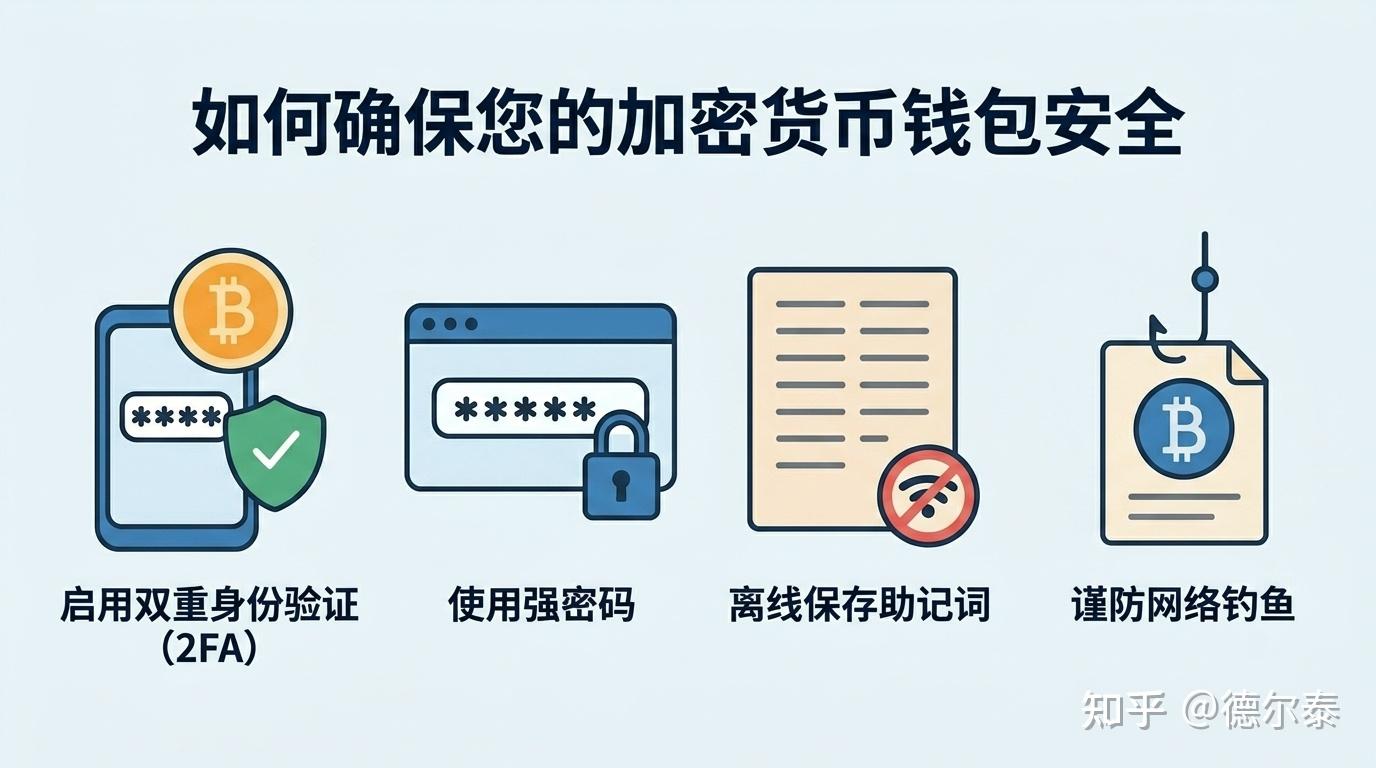
Alongside account freezes, the other high-frequency incident type is theft. In wild markets users rush to move or cash out assets and are far more likely to hit phishing sites, sign malicious approvals, connect to fake DApps, click fake-support links, or join fake airdrops.
In most loss cases the seed phrase never leaked — the problem is a malicious contract approval. On discovering anomalies, act fast: revoke the malicious approval immediately, move remaining assets out, save all interaction records, note the phishing URLs and malicious contract addresses, and keep tracking where the stolen funds flow. The earlier you act, the better the odds of interception and judicial assistance.
Why do self-submitted materials so often fail to lift risk controls?
Because reviewers need a closed-loop evidence chain, not scattered fragments. They look for: reasonable fund sources, clear fund flows, absence of high-risk associations, a fully explained trading background, and provable lawful ownership. Dozens of chat screenshots that don't assemble into one compliant path simply cannot be approved.
What if you can't untangle a complex fund path yourself?
This is exactly the pain point Delta & Capital solves. Many clients are stuck in the loop of "account restricted → platform keeps requesting materials → repeated submissions fail → timeline stretches". The issue is rarely the funds' legality — it is the lack of professional presentation. For complex flows, multi-chain activity, or OTC risk scenarios, Delta & Capital's compliance team can deliver: on-chain fund-path analysis, address-association penetration mapping, source-of-funds (SOW/SOF) reports, and direct platform liaison.
Closing thoughts
BTC near $61,000 is just one snapshot of market volatility, but violent swings always bring large fund migrations — and the more funds move, the higher the odds of risk-control reviews and phishing incidents. You cannot predict price, but the clarity of your fund sources, the completeness of your records, and the safety of your wallet approvals are all things you can control in advance. The earlier you organize compliance evidence, the more initiative you keep when a freeze hits.