
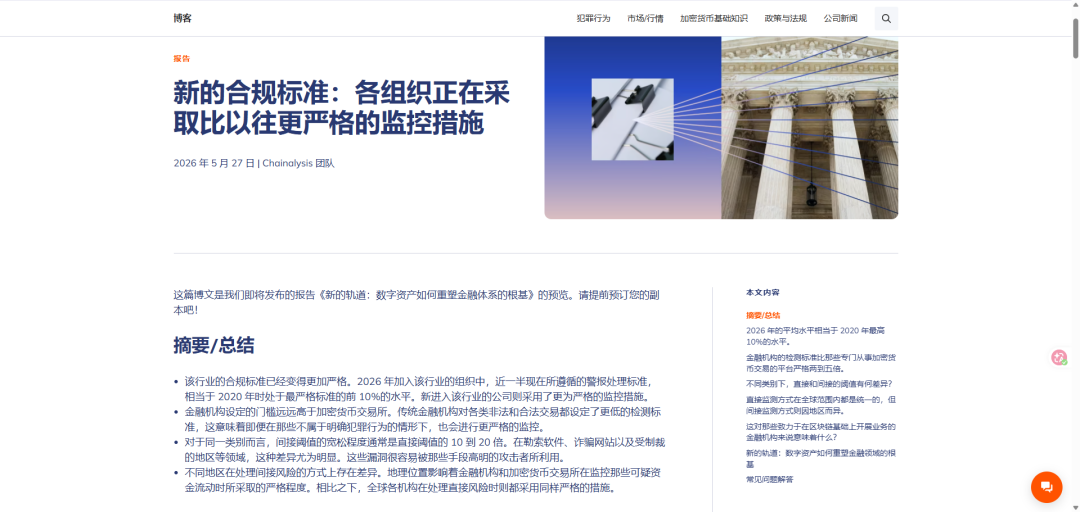
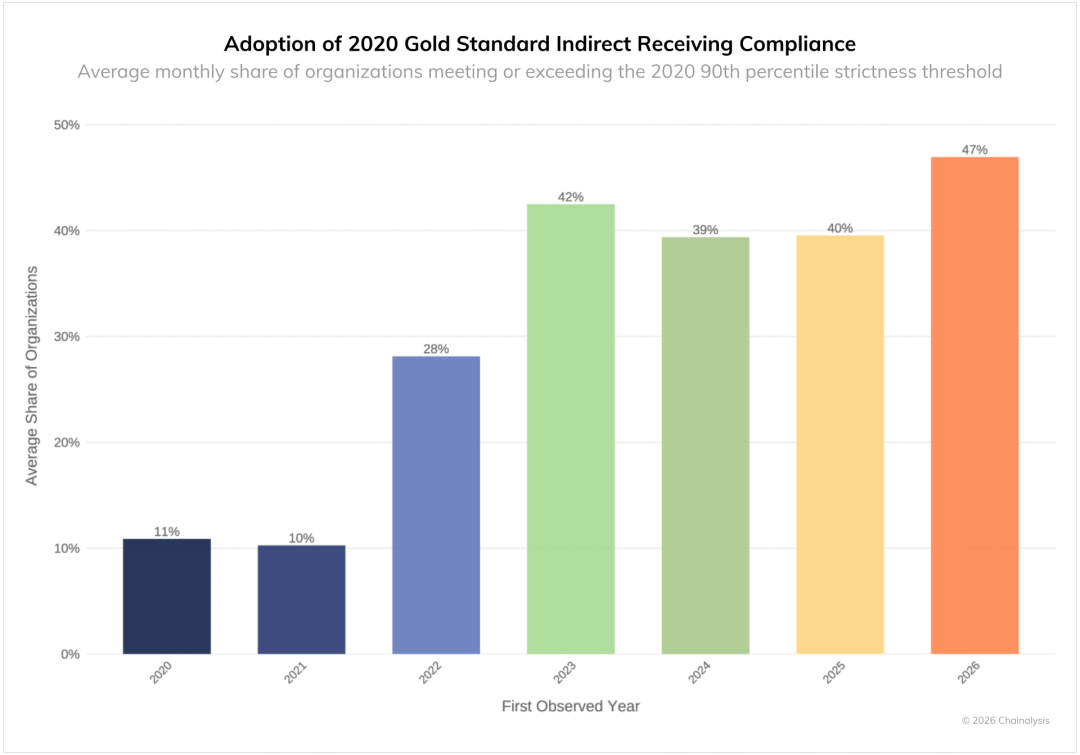
Over the past few years the industry's alerting standards have risen markedly. Many newly launched institutions adopt high-grade monitoring from day one: lower trigger thresholds, stricter flow monitoring, higher-frequency anomaly detection, and finer risk taxonomies.
Delta & Capital's team reads this as the industry outgrowing its early free-for-all phase. As traditional financial institutions move on-chain, demand for bank-grade risk systems is accelerating — regulators care most about anomalous sources, laundering risk, illicit flows, sanctioned paths, and structured splitting, and all of these are amplified on-chain.
2. Monitoring is maturing — but huge gaps remain
Monitoring of directly risky addresses is fairly mature: hacker addresses, scam wallets, darknet markets, sanctioned addresses, ransomware collection addresses — direct interaction with any of these triggers alerts on most platforms.
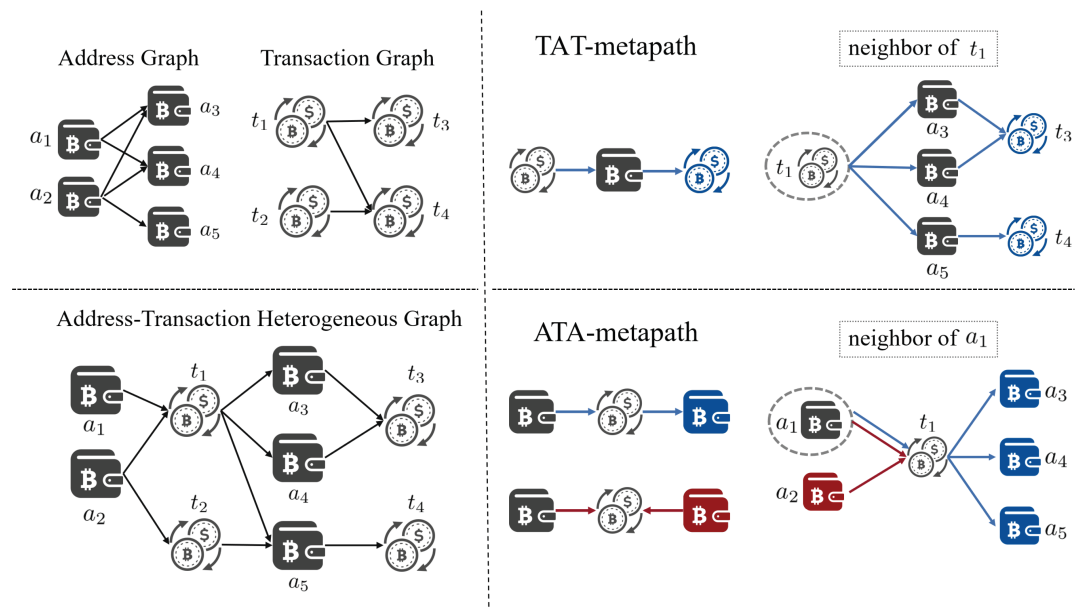
Real-world fund paths, however, rarely expose the risk source directly. Illicit funds are chopped through intermediary wallets, multi-hop transfers, OTC splitting, bridges, liquidity pools, DEX aggregators, and privacy protocols.
Delta & Capital sees this as one of the industry's biggest holes: platforms usually set far higher thresholds for indirect risk than direct risk. Funds flagged instantly at one hop can slip past parts of the stack after several layers of transit.
Attackers know this well, which is why laundering paths keep multiplying: multi-address splitting, chain-hopping, cross-chain moves, pool mixing, and automated routing all reduce risk exposure.
3. Regulatory logic is diverging across regions
Regions now differ visibly in how hard they police indirect on-chain risk: some have moved to strict low-threshold monitoring, others remain relatively lax.
Delta & Capital expects cross-regional flows to keep getting harder to police: regulatory scales, risk definitions, monitoring standards, and alert logic differ by region. Globally operating platforms that lack a unified on-chain risk framework will face growing supervision-penetration gaps.
Closing thoughts
The industry used to ask: is KYC done, are basic controls in place, are requirements met? Now it asks: can you recognize complex risk paths, penetrate on-chain flows, surface indirect risk, and monitor continuously?
Delta & Capital's team believes the platforms that stay competitive will go beyond box-ticking compliance to build complete on-chain risk-analysis systems. As regulation tightens worldwide, on-chain risk-recognition capability becomes a core competitive axis — platforms stuck at basic rules will expose ever more gaps.